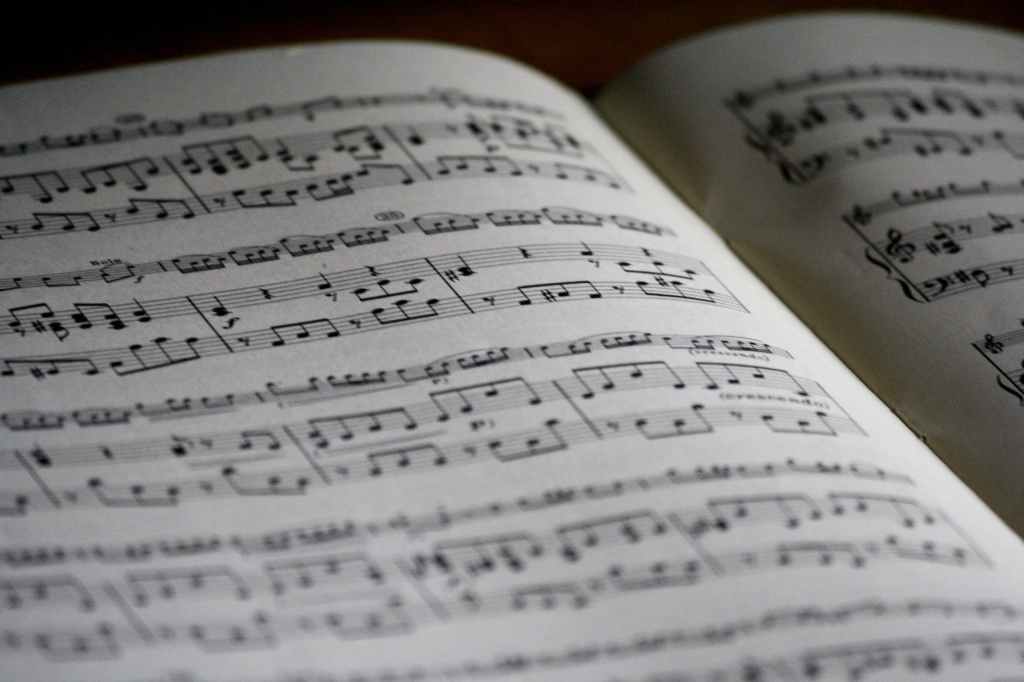
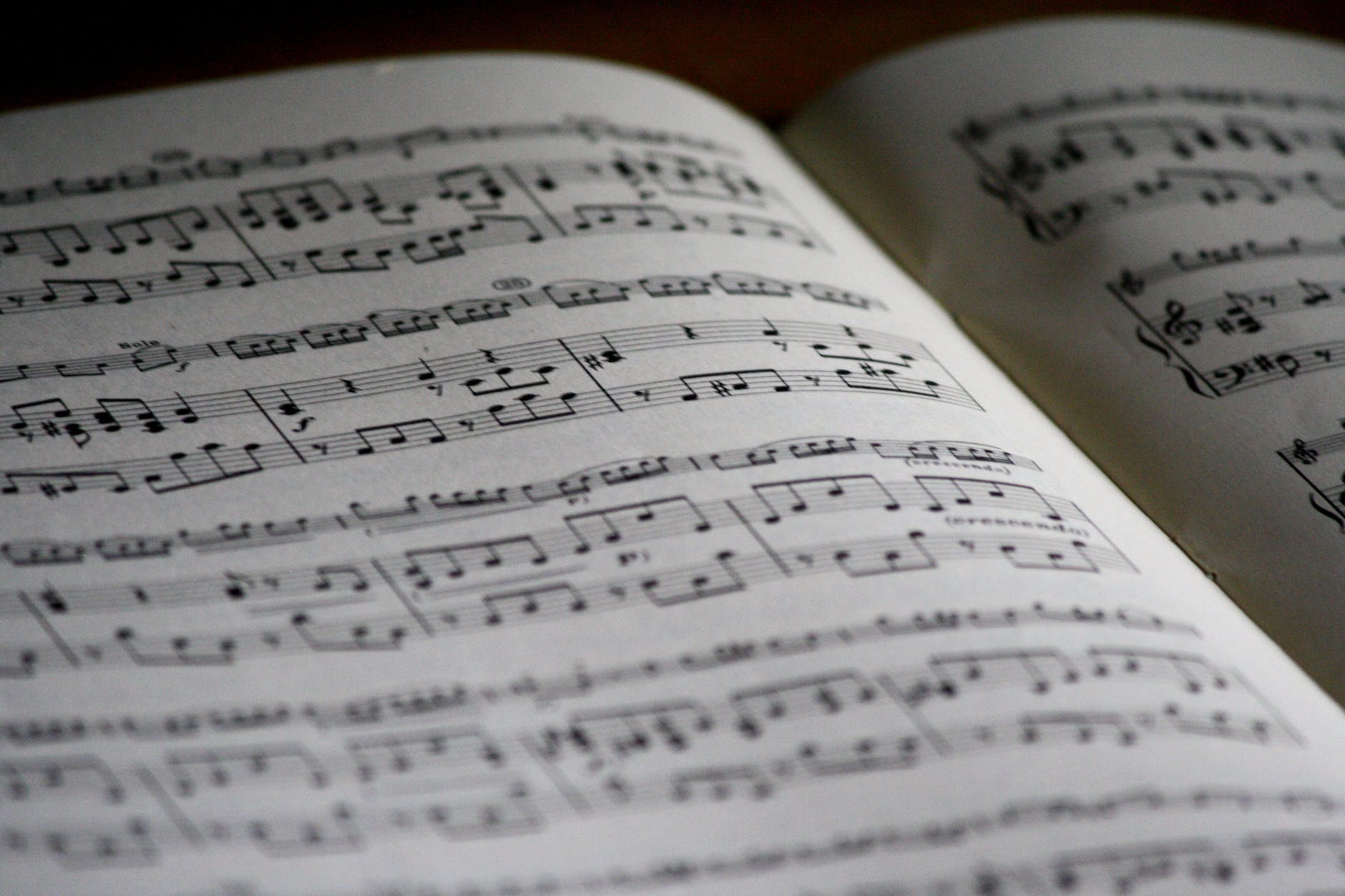
Scales serve as the building blocks that lay the foundation for melody, harmony, and expression. Whether you’re a vocalist or an instrumentalist like a flute player, understanding and mastering scales is crucial for creating captivating and harmonious music. In this exploration, we will delve into the world of scales, exploring their relevance, versatility, and how singers and instrumentalists alike can harness their power to enhance their musical prowess.
The Basics
At its core, a scale is a sequence of musical notes arranged in ascending or descending order, forming the fundamental framework for melodies and harmonies. Scales are the musical alphabets that musicians use to craft their sonic language. For singers and instrumentalists, such as flute players, scales provide a roadmap for navigating the vast landscape of musical expression.
Scales for Singers
For vocalists, scales are an indispensable tool for honing pitch, improving vocal agility, and expanding vocal range. Practicing scales helps singers develop muscle memory, enabling them to navigate various pitches effortlessly. The diatonic scale, with its seven notes, is a fundamental scale for singers, providing a solid foundation for many vocal exercises and warm-ups. By mastering scales, singers can explore different tonalities, modulate smoothly between keys, and improvise with confidence.
Scales for Flute Players and Instrumentalists
Instrumentalists, including flute players, rely on scales to refine their technique, enhance finger dexterity, and develop a deep understanding of their instrument’s range. The chromatic scale, encompassing all twelve pitches within an octave, is a versatile tool for instrumentalists to sharpen their skills. Additionally, major and minor scales form the bedrock for creating emotive melodies and harmonies on instruments, allowing players to convey a wide range of emotions through their music.
The Role of Modes in Musical Expression
Scales introduce us to the concept of modes, which are variations of a scale that evoke different moods and emotions. Singers and instrumentalists can use modes to add color and depth to their performances. For example, the Dorian mode, with its distinctive minor quality, can infuse a haunting and introspective atmosphere, while the Mixolydian mode can inject a sense of bluesy and soulful expression into a musical piece. Understanding modes empowers musicians to make intentional choices that enhance the emotional impact of their performances.
Transcending Technique: Expression and Creativity
While scales are essential for technical proficiency, their true power lies in their ability to unlock creative expression. Singers and instrumentalists can use scales as a canvas for improvisation, allowing them to weave intricate melodies and explore new musical territories. This creative freedom fosters a deeper connection between the musician and their instrument, enabling them to communicate emotions and stories through their art.
Conclusion
In the intricate tapestry of music, scales serve as the threads that weave together melody, harmony, and expression. For singers and instrumentalists, be they flute players or other musicians, scales are not mere exercises but gateways to musical mastery and creativity. By embracing the nuances of scales, musicians can embark on a journey of self-discovery, unlocking the full potential of their artistic voices and instruments. So, whether you’re hitting the high notes as a vocalist or dancing through scales on a flute, remember that scales are the keys to unlocking the vast and enchanting world of musical expression.



 AC & the Virtual Virtuosos
Leave a comment